
Summer Memories, Autumn Hues
The end of summer holidays and the beginnings a new school term. The end of London’s quiet roads and cleaner air. The onset of rush hour congestion and driver exasperations. Overly warm weather gives way to cooler temperatures leading to a layering of wardrobes as we struggle to ascertain from which way the wind will blow.
The month of September which can be a signifier of endings and beginnings which also makes it a month of transitions.
Summer encourages shared experiences in public spaces and for me this was our family holiday in Cornwall and neighbourly encounters on the 11th floor of our building to watch the solar eclipse.
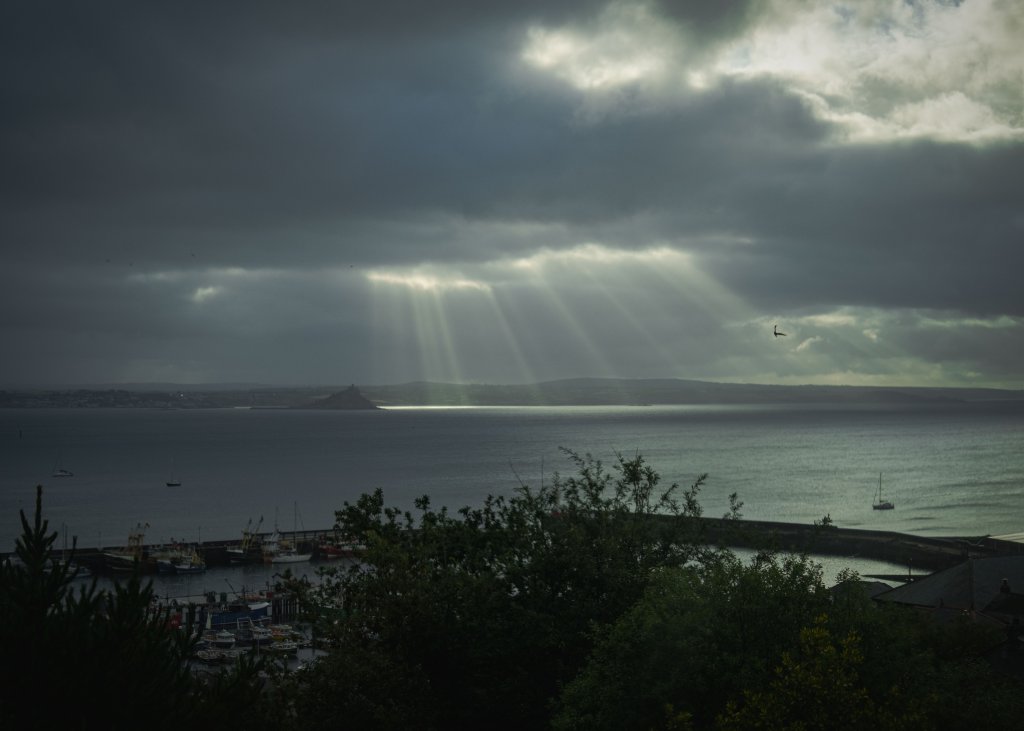
It isn’t really necessary for me to say how beautiful Cornwall is, anyone who has ever been will know this. Our last visit was over ten years ago to Falmouth but on this trip we headed to the seaside town and still active fishing port of Newlyn, just outside Penzance.
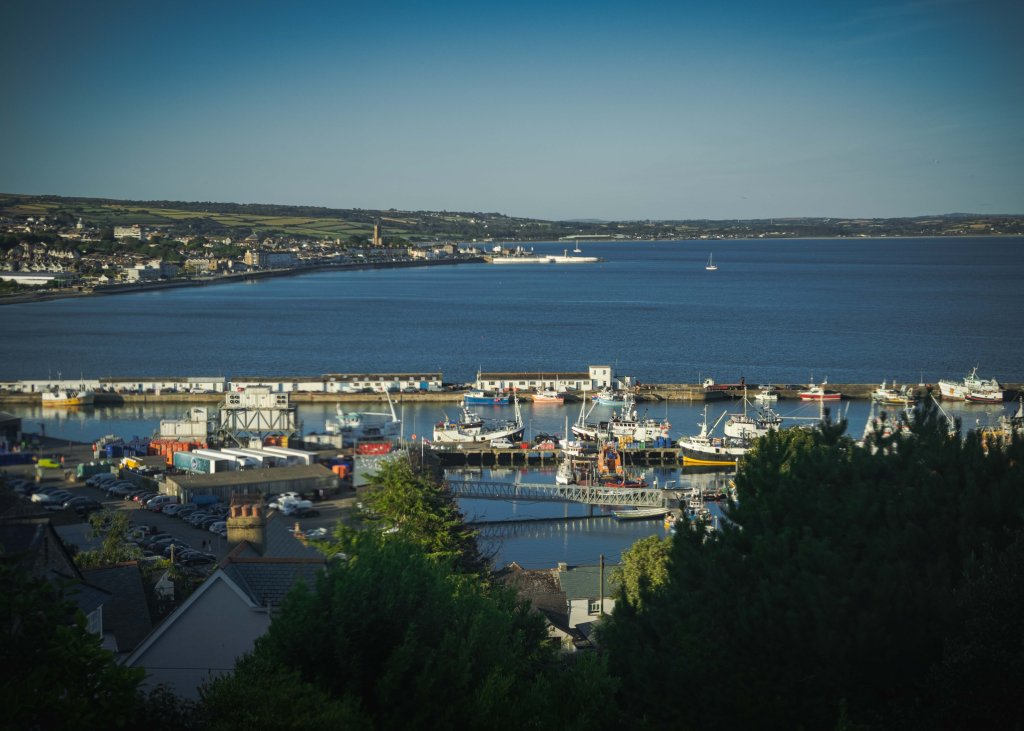
We ate a lot of seafood along with Warrens' Cornish Pasties and Jelbert's vanilla ice cream, much of which was done whilst enjoying the views across the harbour.
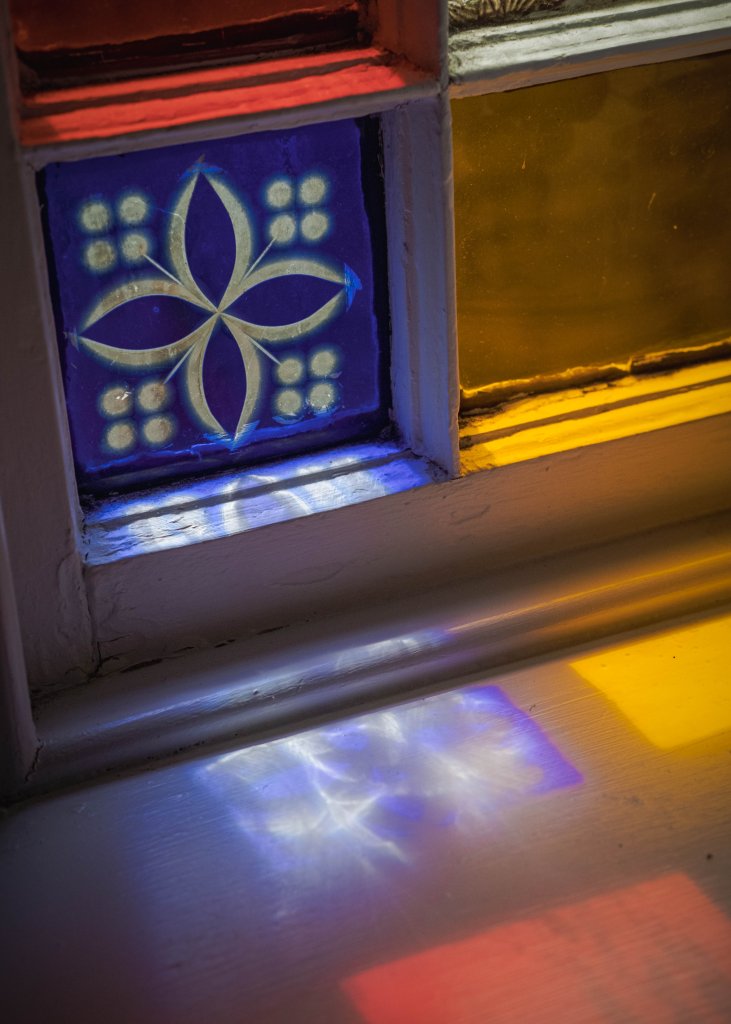
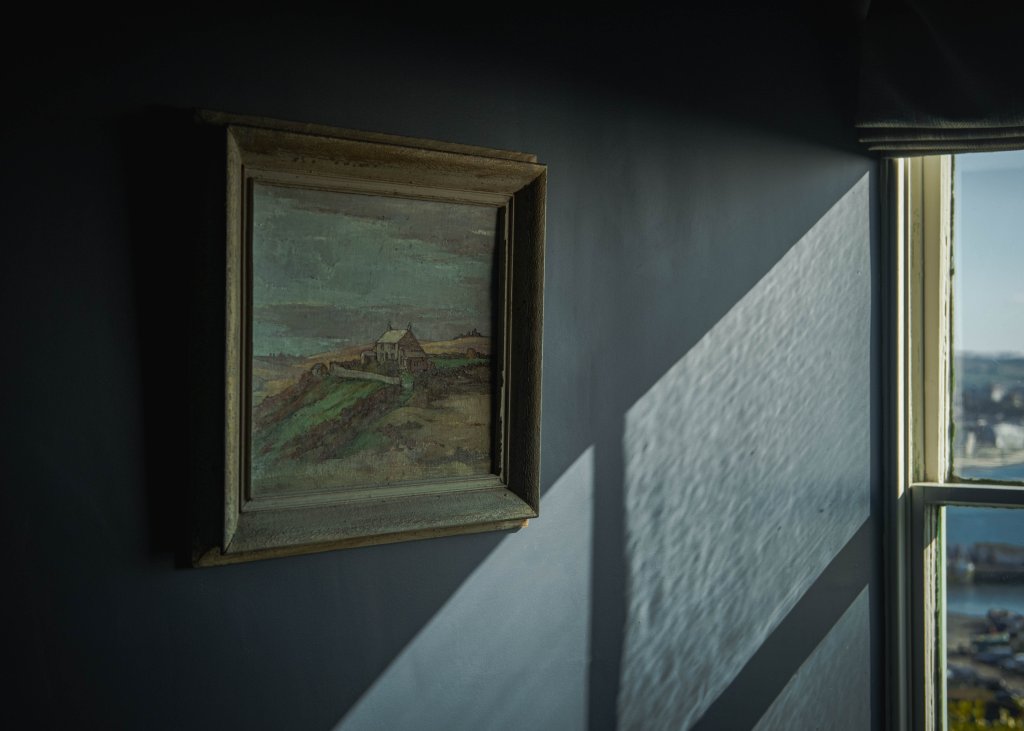
The quality of light that flooded in and around the house was this photographer’s delight so it was no surprise to discover that it was formally the home of a pair of artists of the Newlyn School.
Thankfully the heatwave had abated the week of our stay which made our driving adventures much more bearable. My clutch control skills were tested as our cottage was on a hilly (almost blind) bend. We undertook the usual touristy excursions including the Tate at St Ives where I purchased a pack of Sunography’s paper kit.
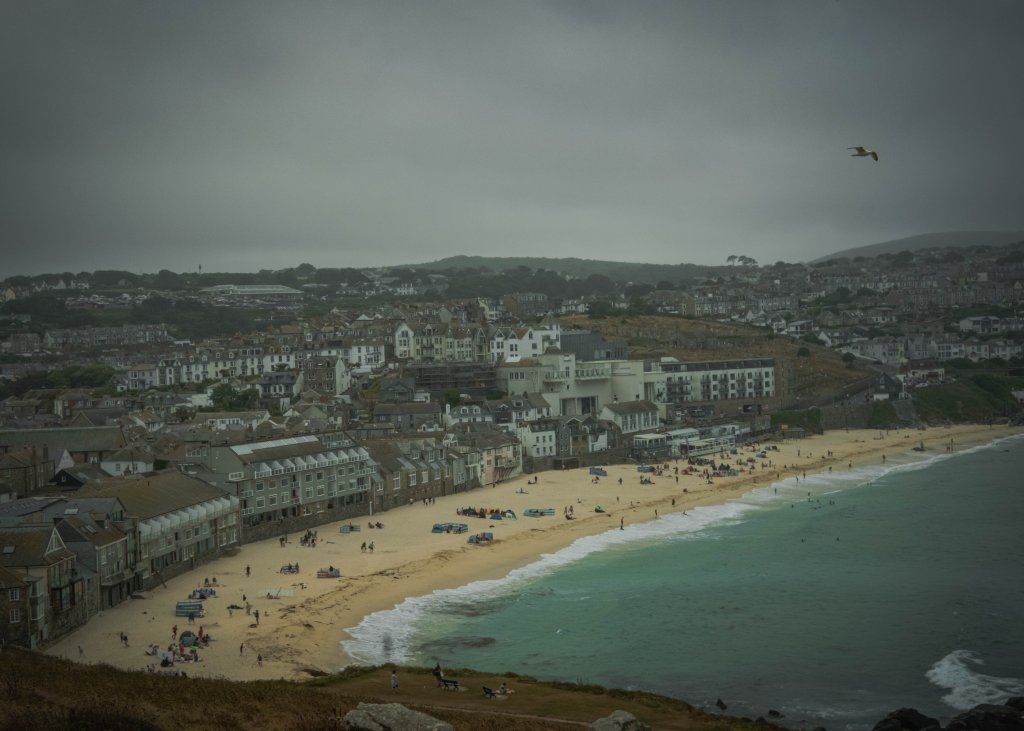
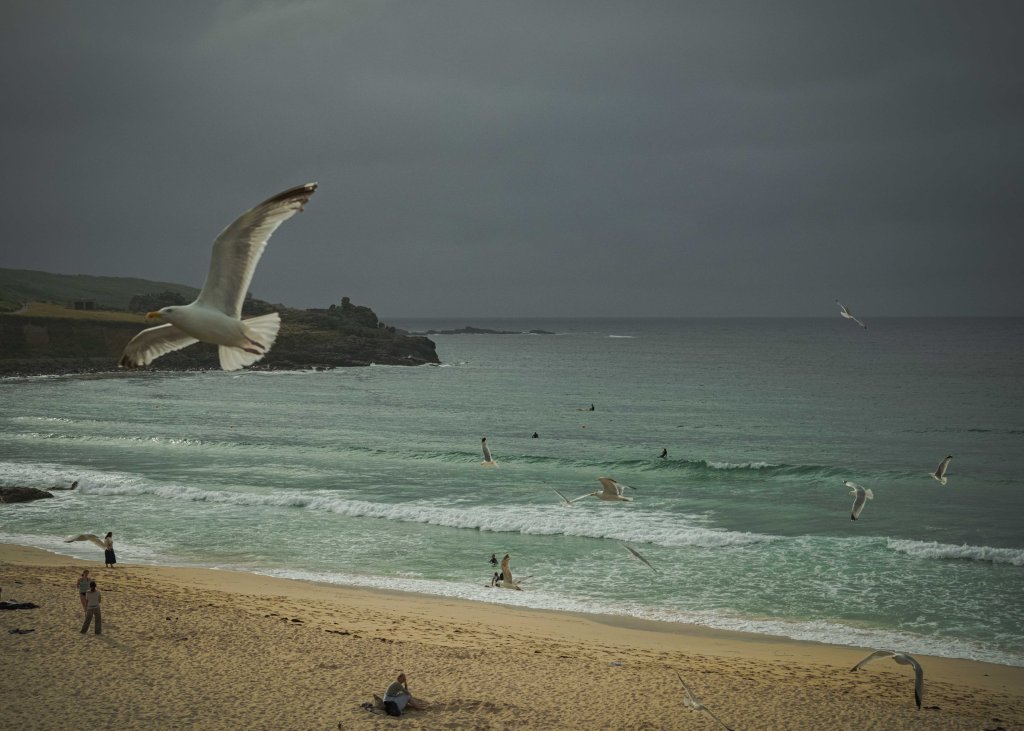
This was to be my niece and nephew’s introduction to cyanotypes, an alternative photo process that dates back to the 1840s. It was invented by Sir John Herschel and practiced to great effect by Anna Atkins an English botanical artist and photographer. In 1843 she self-published the first book to be printed and illustrated of photography British Algae: Cyanotype Impressions.
The joy of introducing ‘instant’ photography to young people never gets old. The children were fascinated by the immediate development of the images as the the paper was submerged in the water, the latter acting as an activator to the embedded chemistry following its exposure to the UV rays of the sun. From this experience they made mementos for themselves and their grandmother.
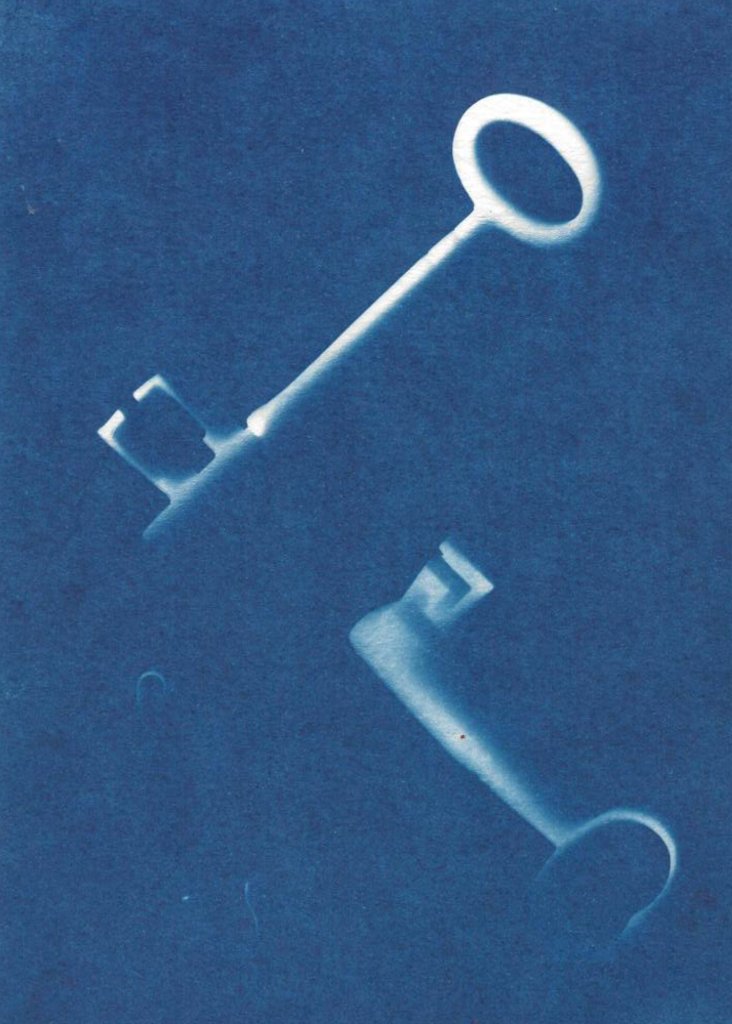
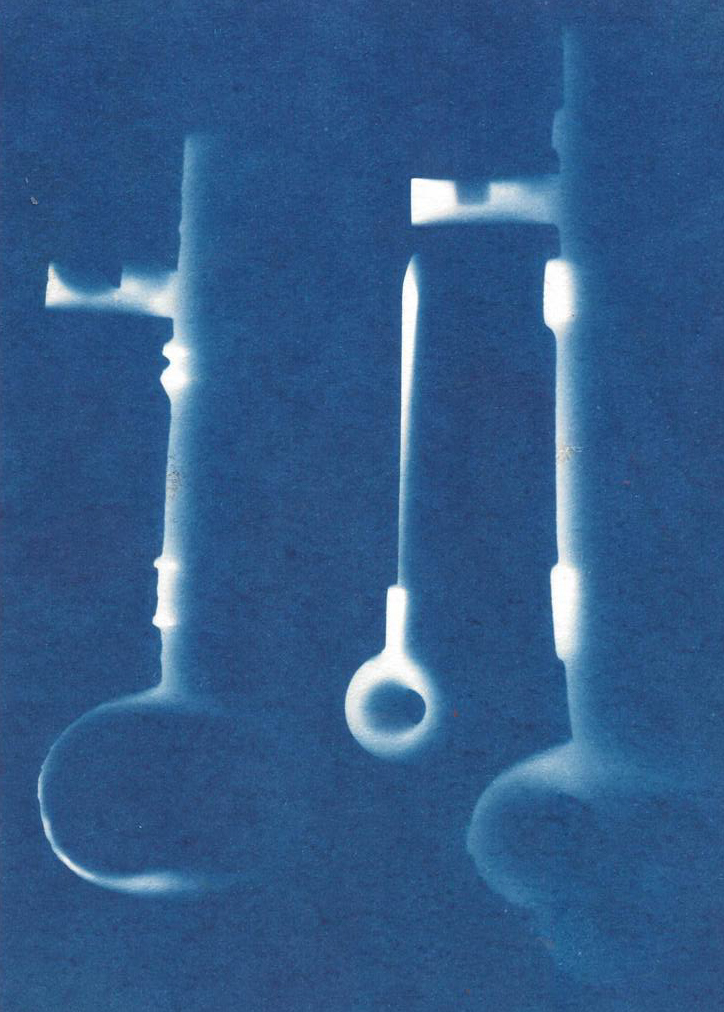
The remaining sheet came back to London and was used to record the then imminent and much publised solar eclipse.
Admittedly I was late to the razzmatazz and safety glasses were nowhere to be found so I chose the much vaunted colander method to appreciate the experience.
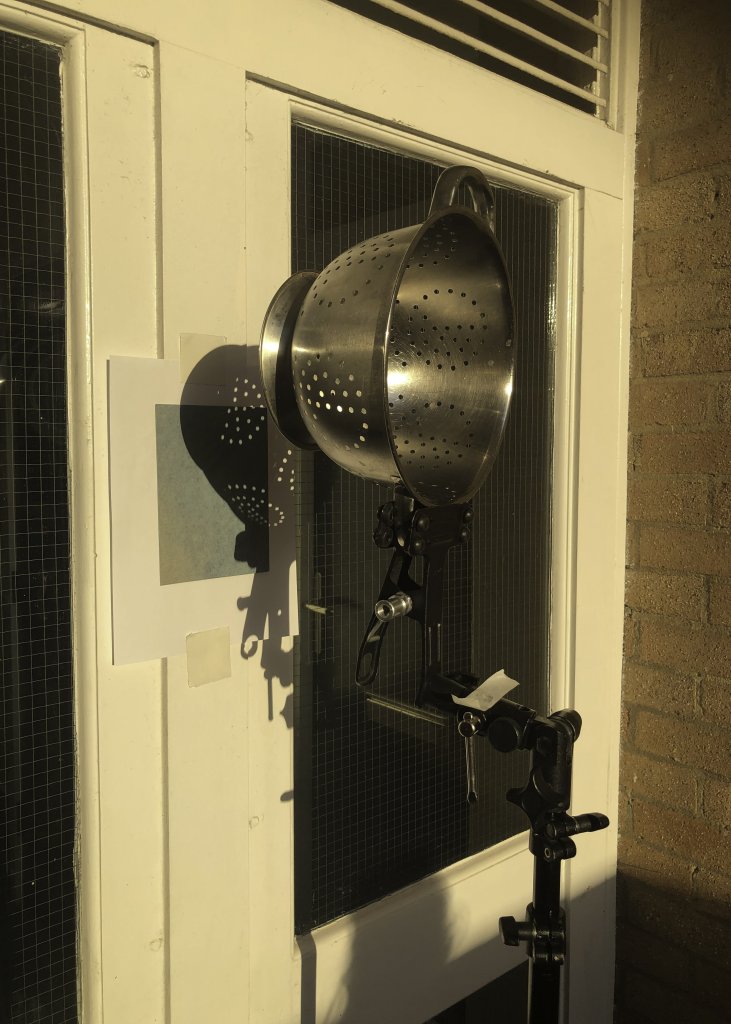
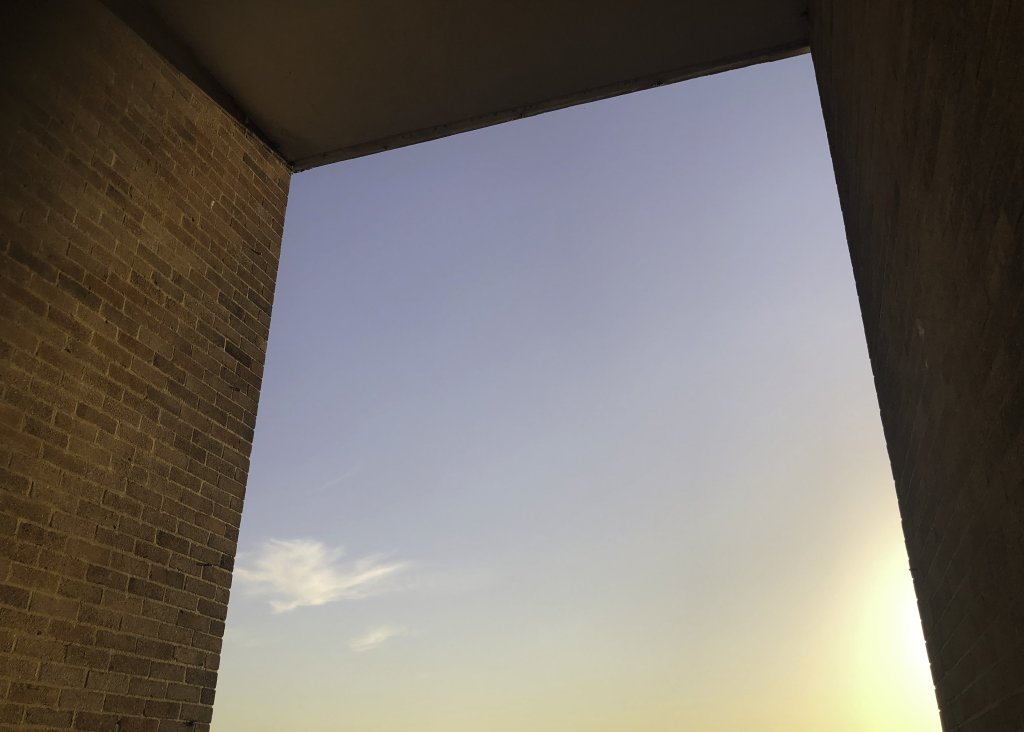
Being at the top of a building with a large play area has it’s advantages and I set up my stand to prepare for the long exposure. The result shows the movement of the sun over the course of an hour.
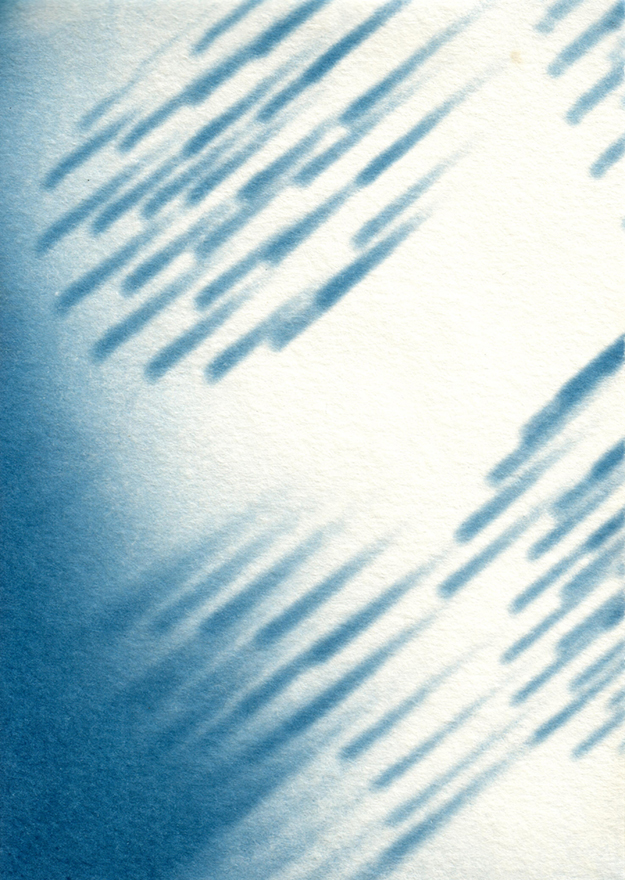
Sharing the experience with neighbours (old and new) including those who offered their protective glasses (I graciously declined) was a pleasure and from it I created a tangible artefact of an event that will not be seen again for over half a century.
Perhaps that is one of the joys of photography: taking something fleeting—a particular quality of light, the movement of the sun and giving it a physical form to be enjoyed in future decades.